

The 2026 Mariners get the trade deadline they deserve
The org doesn’t seem to believe in this year’s club—should we?

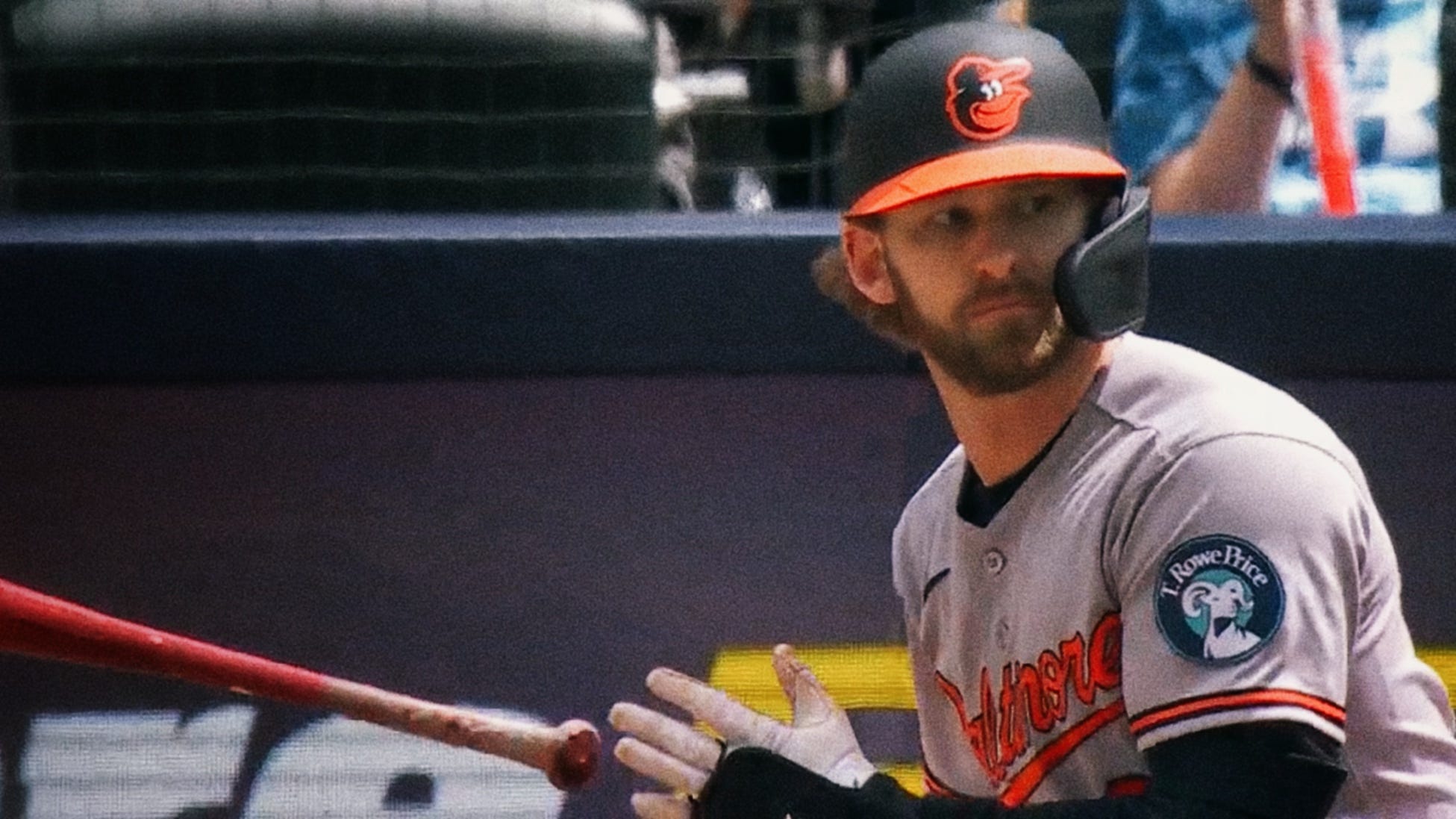
If you told a Mariners fan in late April that this year’s club would be three games back of Houston at the deadline and the entirety of their related activity would be dumping Luis Castillo’s contract and adding Taylor Ward, they’d say “Yeah that sounds about right.”
The club that never strives to be great but only good enough paid the penance for that approach—with a trade deadline emblematic of the ethos.
Like many iterations before, the 2026 Mariners could be great if things broke right for them and their roster but it was never the objective.
The Brendan Donovan trade toward the end of the winter salvaged what, after the Josh Naylor re-signing, had bordered on worst-case scenario for a fan base clamoring for an elite roster after last year’s came up eight outs short the organization’s first pennant.
Despite a magic season, a long October run and the increased revenue that came from our region-wide obsession, the Mariners again ran out an Opening Day payroll ranking in the league’s bottom half.
If the Mariners were going to be great, it’d be despite this ownership group—not because of it.
There are teams, plenty, with worse payrolls and better records but the steadfast desire to be only competitive haunts every aspect of the organization.
Where would the Mariners stand now with Munetaka Murakami or Kazuma Okamoto?
Murakami’s Chicago White Sox—THE CHICAGO WHITE SOX—currently hold the #2 seed in the American League.
They’re a mere seven games over.
And the Mariners are five games back of them.
It’s embarrassing.
As the division and the American League whole receded back like a low tide, the M’s went out with it, smelling every bit the part.
The 2026 Mariners could have and should have been swimming in the deep end this trade deadline, going for big-time players with a commesurate stockpile of prospects to pry them loose.
They could’ve been the team to land Tarik Skubal with a package headlined by a single top 100 prospect.
You do that and maybe you’re more willing to offer the Padres something better than George Kirby or Emerson Hancock for Mason Miller—perhaps Bryce Miller, Bryan Woo or even, as the Padres desired, Kade Anderson.
It sounds crazy, sure.
But four consecutive playoff runs with a guy who’s pitching like one of the greatest closers of all time, backing up this talented young core, sounds insane as well—in a good way.
It’s hard to fault them for not making the big swings when the team’s played like it has, sitting five games back of the seed that should’ve been theirs—but again, they are where they are in part because they haven’t taken those big swings.
We also can’t sit here and pretend like, were the Mariners a little better positioned, that player salaries wouldn’t have been a key factor in acquisition decisions.
A small aside in a recent report from Adam Jude gave strong indication this would not be a great deadline for your Seattle Mariners.
Tigers second baseman Gleyber Torres is another impending free agent who hits from the right side and has a solid track record. He’s never played third base, though — the one spot in the infield the Mariners could really use help — and he’s owed roughly $7 million for the final two months of the regular season.
As it has done the past two deadlines, Mariners ownership is open to adding to the payroll in the coming days, according to sources. But that increase is only expected to be marginal, and Torres could prove to be too expensive.
A third of a season of Gleyber Torres…too expensive.
Wholly unserious operation.
So yeah, two moves: a salary dump of Luis Castillo—with a couple extras in the form of Seranthony Dominguez and Nolan Jones. And then Taylor Ward.
The Mariners did end up raising payroll at the deadline. Barely.

Money is always a factor for the Mariners. Always.
Taylor Ward is a fine and solid addition. His newfound ability to control the strike zone and lay off bad pitches, even if it’s come at the expense of sapping his power, is a welcome addition to a lineup whose approach is worse than any other under Dipoto.
The inability to add another leverage reliever on deadline day, less than 24 hours after their #1, #2 and #3 bullpen arms blew a 6-0 lead over two innings is beyond explanation.
But hey, we’ll give it a shot with the two real noteworthy arms moved in the hours before the deadline:
Luke Weaver? He’s owed $13.4 million this year and next—with $8 million of that covered by the Mets in the deal that sent him to the Pirates.
Jeff Hoffman? He’s owed about $13.5 million over this year and next—with the Blue Jays picking up $3.75 million as part of the deal sending him to the Twins.
I’m not saying it was the deciding factor in why the Mariners weren’t able or willing to add these guys, but it was surely a heavy weight on the scale.
Would you put it past this ownership group to refuse to spend even $5 million more on a team that’s done little but disappoint so far?
Just, it’s all such a bummer. It’s a bummer trade deadline in what’s been a bummer year.
They go into every season intent on figuring it out as they go, planning to supplement the roster midseason depending on which of the winter’s bargain plays work out and which bust.
Now, if they do go on another second-half run, they’ll once again be an arm short in the bullpen, maybe more.
It cost them everything last year. The entire season—their best season. And that was after they had a much better deadline than this one.
The club’s built to be competitive through the end of the regular season, with little thought and less effort given to what it takes to move through the baseball tournament that is the MLB Postseason.
Maybe they pull it off despite all of that. Maybe the big bats come around and Taylor Ward, combined Brendan Donovan, were just what this lineup needed to start turning the engine over.
More likely, another sad day looms, whether that’s in October or before—almost assuredly not as painful as what we experienced last year.
We’ll talk about how the Mariners just couldn’t do that, or if things just weren’t like this, it all could’ve gone a little better.
The Mariners are oh so often the victim of circumstances—but they are circumstances of their own design.
The seeds of this trade deadline were sewn months if not years ago, but the present is all the same: the organization has made the decision that they don’t believe in this squad, that it isn’t worth the investment.
If they won’t give this team a shot, it begs the question with the home slate’s tentpole weekend looming: will you?
We will see.